
Transforming Stroke Care through Artificial Intelligence
Smarter predictions. Earlier action.
Explore the projectTransforming Stroke Care Through Artificial Intelligence
Smarter predictions. Earlier action.
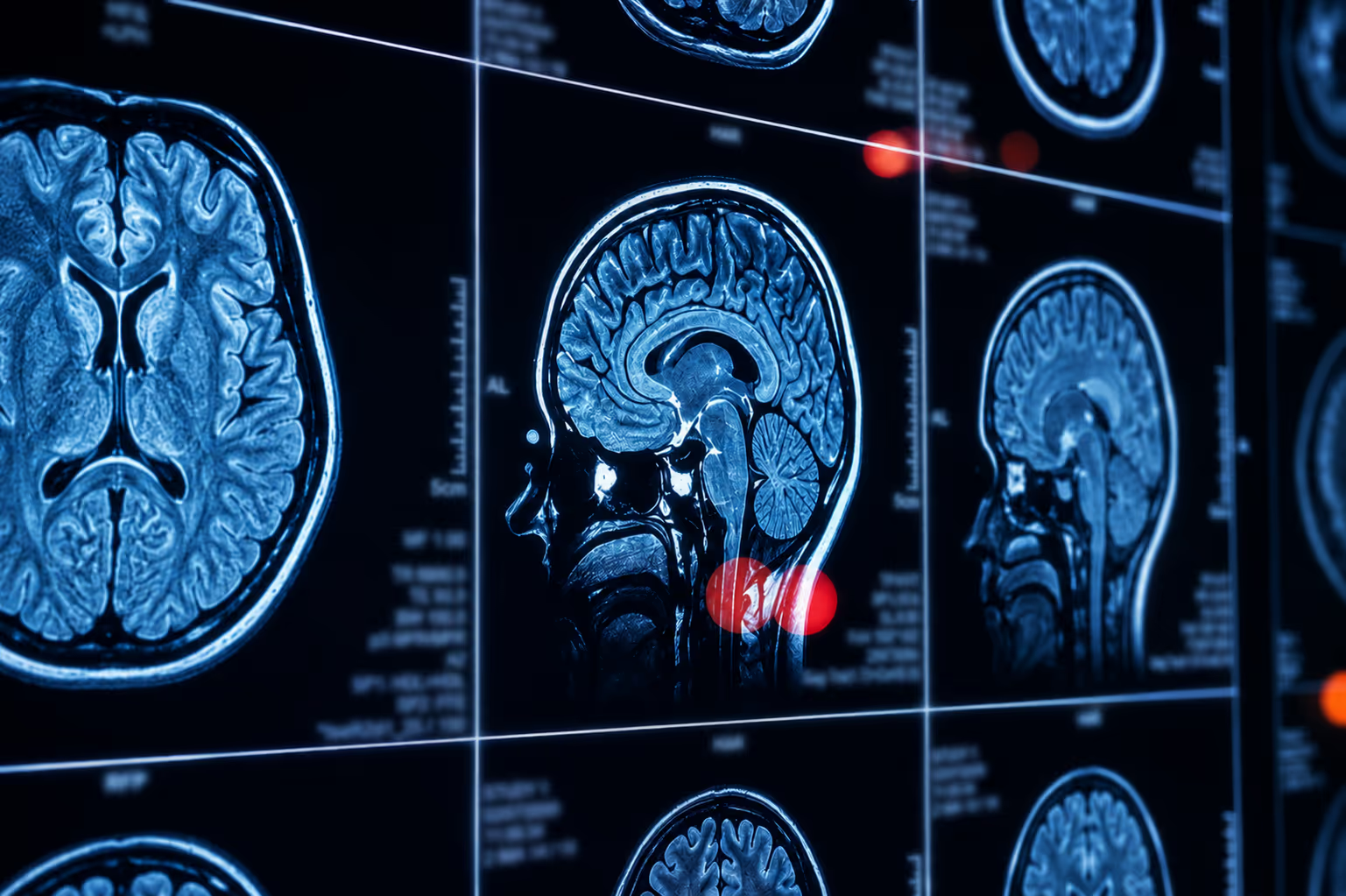
By combining brain signals, imaging, movement and clinical data, CEREBRIS aims to support earlier diagnosis, more precise prognosis to transform personalised care.
Stroke care is time-sensitive, complex and deeply personal. Every patient’s recovery journey is different, yet clinical decisions are often challenged by fragmented data, delayed insights and limited access to advanced tools.
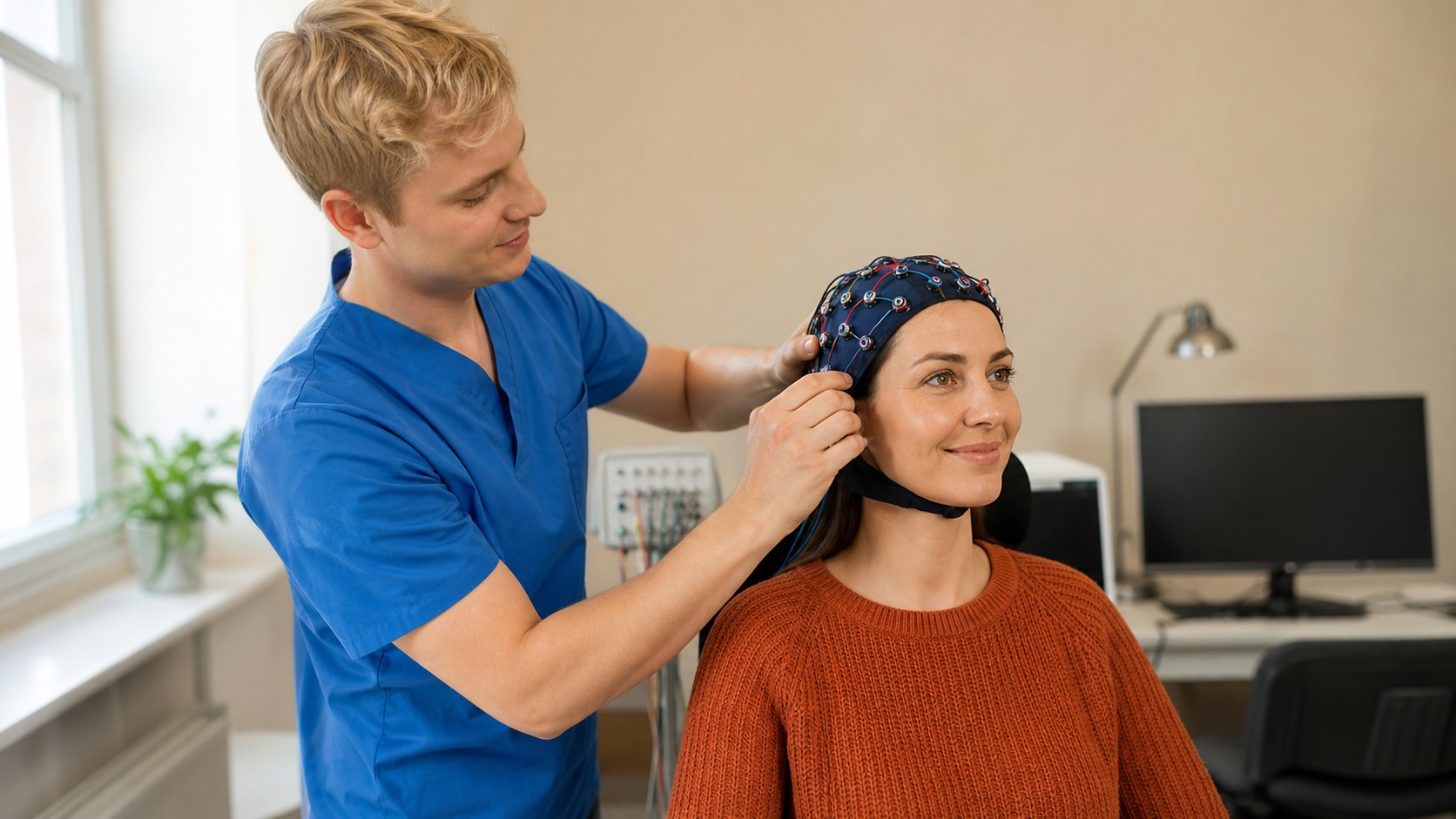
By connecting brain signals, neuroimaging, movement data and clinical information, the project aims to help build a more complete picture of each patient’s condition and recovery pathway.
By connecting brain signals, neuroimaging, movement data and clinical information, the project aims to help build a more complete picture of each patient’s condition and recovery pathway.
From multimodal data to personalised care
CEREBRIS is developing a secure, federated and explainable AI ecosystem that brings together different types of patient data and technologies to support more informed and personalised stroke care.
MULTIMODAL DATA
Brain imaging, neural signals, movement and clinical data
SECURE &
FEDERATED AI
FEDERATED AI
Privacy-preserving connection, explainable AI
PERSONALISED
STROKE CARE
STROKE CARE
Assessment, monitoring and recovery support
INSIGHTS
Digital biomarkers, recovery prediction and synthetic brain imaging
Four pathways to progress
Advance multimodal neurotechnology
Capture and combine imaging, neural, movement and sensory-motor data, including complementary synthetic brain imaging.
Build and train the intelligent system
Use real and augmented stroke data to develop and train the CEREBRIS AI ecosystem.
Improve recovery
prediction
prediction
Identify and evaluate multimodal digital biomarkers associated with sensory-motor recovery after stroke.
Support future
translation
translation
Prepare CEREBRIS technologies for future clinical, regulatory and market uptake.
A European innovation ecosystem
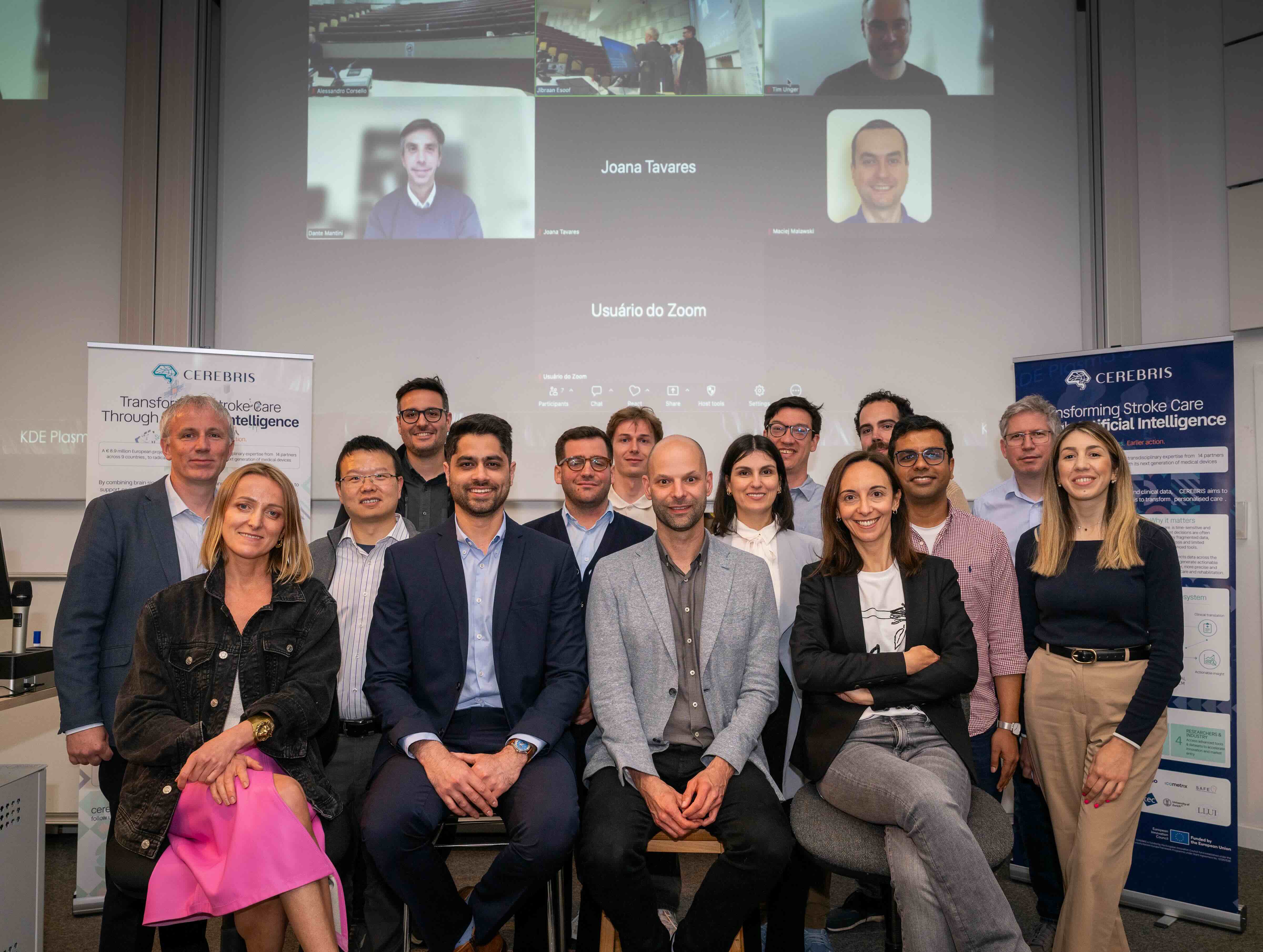
CEREBRIS brings together 14 partners across 11 countries, combining expertise in clinical care, artificial intelligence, neuroimaging, rehabilitation, biomedical engineering, digital health, ethics, communication and innovation. Led by University of Bath, the consortium is working to transform research excellence into future tools that can support patients, clinicians and healthcare systems











Where CEREBRIS breaks new ground
Multi-agentic AI to support clinical decision-making
Integration of neurotechnology, imaging, movement and clinical data
Synthetic brain imaging generated from novel wearable technologies
Digital biomarkers to support more personalised care
Privacy-preserving AI through federated learning
Combination of real and synthetic data to develop more robust AI models
CLINICIANS
Provide richer insights into sensory, motor, imaging and clinical data to support future decision-making.

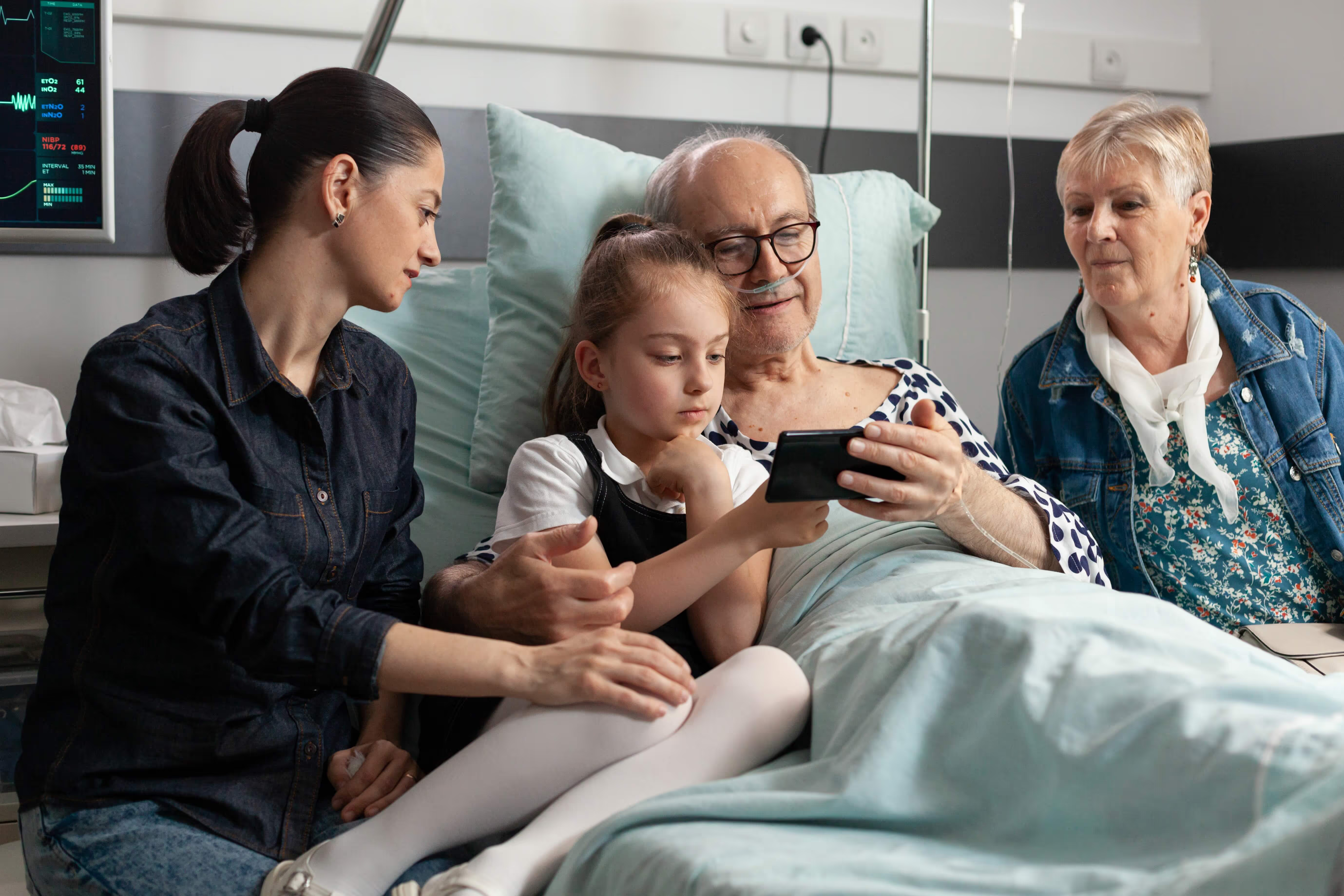
PATIENTS
Support more personalised care pathways by improving how recovery is monitored and understood.
HEALTHCARE SYSTEM
Explore tools that could support more efficient, accessible and data-driven stroke care
RESEARCHERS & INDUSTRY
Contribute to new knowledge in multimodal AI, digital biomarkers, neurotechnology and secure health data collaboration.

Our Impact
Shaping the future of neurological disease management
1
Support faster evidence-informed clinical decisions and improve health outcomes
2
Enable earlier
and more personalised interventions through objective assessments
and more personalised interventions through objective assessments
3
Achieve a potential +35% improvement in patients' quality of life and mitigate caregivers' burden
4
Reduce healthcare costs by improving resource efficiency and generating long-term savings
5
Unlock multimodal and synthetic data value for future research & innovation in neurological care